
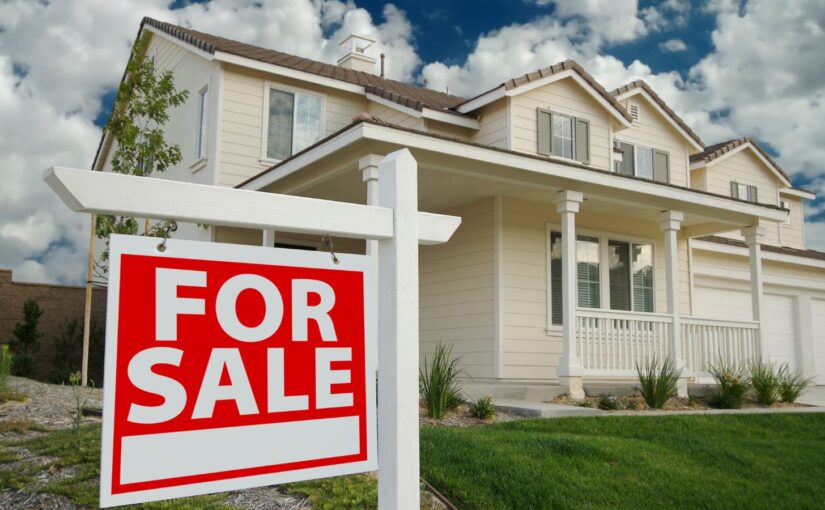
Selling your home is a major decision that can have a profound impact on your finances and future plans. With so much at stake, it’s essential to approach the process with careful planning and attention to detail. Unfortunately, many sellers make avoidable mistakes that can result in significant financial losses or a prolonged sale process. To help you navigate this critical journey, we’ll explore the most common and costly mistakes that homeowners make when selling their property, and how you can avoid them.

Pricing Mistakes
Overpricing Your Home
One of the most common mistakes sellers make is overpricing their home. While it’s natural to want to get the most money possible, setting the price too high can actually have the opposite effect. Overpriced homes tend to sit on the market longer, which can lead to a loss of interest from potential buyers. Additionally, a home that stays on the market too long can develop a negative reputation, making buyers wonder if something is wrong with the property. The key is to set a realistic price based on current market conditions and comparable sales in your area.
Underpricing for a Quick Sale
On the flip side, some sellers make the mistake of underpricing their home in an attempt to sell it quickly. While this strategy might attract more buyers, it can also lead to receiving a low ball offer that results in a significant loss of equity. It’s essential to strike a balance between a competitive price and one that reflects the true value of your home. Consulting with a real estate professional can help you determine the right price that will attract buyers without leaving money on the table
Neglecting Repairs and Improvements
Ignoring Necessary Repairs
Buyers are often turned off by homes that have visible defects or require significant repairs. Neglecting necessary repairs before listing your home can lead to lower offers or even cause potential buyers to walk away altogether. It’s important to address any major issues, such as leaks, electrical problems, or structural concerns, before putting your home on the market. Not only will this make your home more appealing, but it can also prevent buyers from using these issues as leverage to negotiate a lower price.
Skipping Home Staging
Home staging is another critical aspect of preparing your home for sale. A well-staged home allows buyers to envision themselves living in the space, which can lead to quicker offers at higher prices. Skipping this step can make it harder for buyers to see the potential of your home, especially if it’s vacant or cluttered with personal items. Investing in professional staging, or at the very least, decluttering and depersonalizing your space, can make a significant difference in how buyers perceive your home.
Poor Marketing Strategies
Low-Quality Photos
In today’s digital age, the first impression of your home is often made online. Low-quality photos can seriously undermine your home’s appeal, even if it’s a great property. Blurry, poorly lit, or unflattering photos can discourage potential buyers from scheduling a viewing. To ensure your home shines in online listings, consider hiring a professional photographer who specializes in real estate. High-quality photos can highlight the best features of your home and attract more interest.
Limited Online Presence
Another marketing mistake is failing to take full advantage of online platforms. In a competitive market, it’s crucial to maximize your home’s exposure. This means listing your home on multiple real estate websites, leveraging social media, and possibly even creating virtual tours. The more visibility your home has, the better the chances of attracting serious buyers. Working with an agent who is adept at online marketing can significantly boost your home’s presence and appeal.

Failing to Work with a Professional
Not Hiring a Real Estate Agent
Some homeowners attempt to sell their property without the help of a real estate agent, thinking they can save on commission fees. However, this approach often backfires. Real estate agents bring invaluable expertise to the table, from pricing strategies to negotiating with buyers. Without professional guidance, you may struggle to navigate the complexities of the selling process, leading to costly mistakes. Hiring a qualified agent can not only help you avoid these pitfalls but also potentially secure a higher sale price.
Choosing the Wrong Agent
Even if you decide to hire an agent, choosing the wrong one can be just as detrimental as going it alone. Not all agents have the same level of experience or expertise in your specific market. It’s important to do your research, ask for references, and select an agent with a proven track record of success in your area. The right agent will not only help you avoid costly mistakes but also guide you through the entire process with confidence.
Overlooking the Legal Aspects
Ignoring Disclosures
Legal obligations, such as disclosures, are a critical part of the home selling process. Failing to disclose known issues with the property can lead to legal trouble down the line. Buyers have the right to know about any significant problems, such as mold, foundation issues, or past flooding. Being upfront and transparent with disclosures can help you avoid lawsuits and ensure a smoother transaction.
Mishandling Contracts and Paperwork
The closing paperwork involved in selling a home can be overwhelming, and mistakes in contracts or other documents can be costly. Whether it’s misunderstanding terms, missing deadlines, or failing to include essential contingencies, these errors can lead to legal disputes or a failed sale. Working with a real estate agent or attorney who understands the legal intricacies of real estate transactions can help you avoid these pitfalls and ensure that all paperwork is handled correctly.
Conclusion
Selling your home is a complex process that requires careful planning and execution. By avoiding these common mistakes, you can increase your chances of a successful and profitable sale. Remember, the key to a smooth transaction is preparation, attention to detail, and the willingness to seek professional guidance when needed. Take the time to do it right, and you’ll be well on your way to achieving your home selling goals.