

Welcome to Kansas City, a gem nestled in the heart of America. Straddling the border between Missouri and Kansas, this vibrant city is often characterized by its iconic jazz heritage, mouthwatering barbecue, and fountains—more of them than any other city in the world, except Rome. Kansas City is not just about pretty sights and flavors; it’s a place with a rich history, from its start as a trading post on the Missouri River to becoming a major metropolitan area with a diverse and growing population.
Relocating to a new city is a journey filled with excitement, opportunity, and admittedly, a bit of anxiety. The purpose of this blog post is to ease that anxiety and turn the unknown into the familiar. Whether you’re moving for a new job, family, or just a change of scenery, we’re here to guide you through the ins and outs of relocating to Kansas City. We’ll cover everything from the cost of living to the cultural tapestry that awaits you. So, let’s unravel the charm and character of this city and make your transition as smooth as possible.

Why Choose Kansas City?
Affordable Cost of Living
Kansas City stands out with its affordability. Housing costs here are significantly lower than the national average, which means you can get more home for your dollar. The overall cost of living is also more manageable compared to other major cities, allowing for a comfortable lifestyle without breaking the bank.
Growing Job Market
The city’s job market is on the rise, with opportunities blooming in sectors such as healthcare, education, technology, and the service industry. Several large corporations call Kansas City home, providing a steady stream of employment prospects. This growth is complemented by a supportive ecosystem for startups and entrepreneurs, making it a fertile ground for professional development.
Rich Cultural Scene
Kansas City’s cultural scene is a robust tapestry woven from its jazz clubs, diverse arts district, and a history steeped in the stories of pioneers and jazz legends. The Nelson-Atkins Museum of Art and the American Jazz Museum are just two examples where history and creativity collide. The city’s commitment to the arts is palpable, with numerous galleries, theaters, and live music venues dotting the cityscape.
Famous for its BBQ and Culinary Scene
If you’re a foodie, you’re in for a treat. Kansas City is synonymous with barbecue, with a fierce pride in its smoked meats and the age-old rivalry of whose BBQ is best. Beyond the smokehouses, the culinary scene is dynamic, featuring farm-to-table restaurants, craft breweries, and international cuisines that reflect the city’s diverse population.
Sports Enthusiasm – Home to the Chiefs and Royals
Sporting spirit runs deep in the veins of Kansas City. Home to the NFL’s Chiefs and MLB’s Royals, the city offers a thrilling atmosphere for sports fans. Whether you’re tailgating at Arrowhead Stadium or catching a fly ball at Kauffman Stadium, the energy is contagious. And it’s not just professional sports—there’s a strong sense of community and support for local and youth sports as well.
Geographic Benefits – Central Location, Easy Travel
Kansas City’s central location in the United States makes it an ideal spot for those who love to travel. Its well-connected airport and cross-country highways offer easy access to other parts of the country. For business or pleasure, living in Kansas City means you are just a short trip away from almost anywhere in the continental U.S.
Preparing for the Move
Best Times of Year to Move to Kansas City
Timing can be everything when it comes to moving. In Kansas City, spring and fall offer the most pleasant conditions for your relocation. The weather during April through June and September through October is mild, avoiding the sweltering heat of summer and the unpredictable snowfalls in winter. Additionally, moving during these seasons can sometimes mean better pricing and availability from moving companies, as summer tends to be the peak moving season.
Checklist for a Long-Distance Move
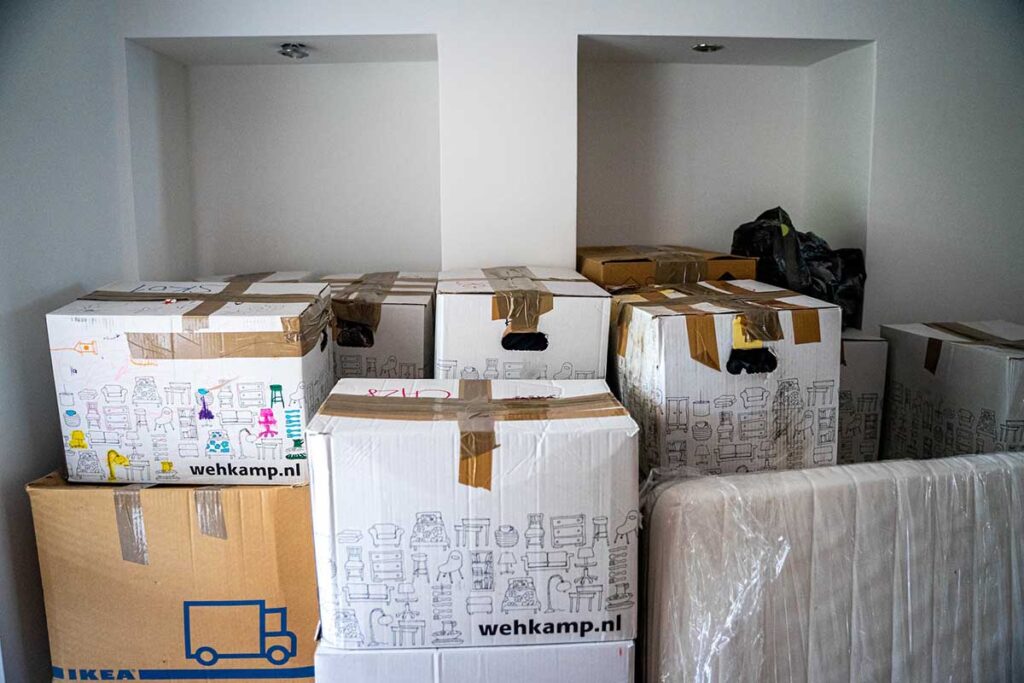
Embarking on a long-distance move requires meticulous planning and it’s important to avoid common mistakes. Here’s a quick checklist to help you get started:
- Research and hire a reputable moving company well in advance.
- Create a moving budget to keep your finances in check.
- Sort through your belongings and decide what to keep, sell, or donate.
- Begin packing non-essential items early, labeling boxes by room.
- Update your address with the post office, banks, and other important institutions.
- Transfer or set up utilities and home services for your new address.
- Keep important documents and valuables with you during the move.
- Plan for your travel to Kansas City, including accommodations if necessary.
Hiring Moving Companies vs. DIY Moving
When it comes to moving your belongings, you can opt for a professional moving company or a do-it-yourself approach. Hiring movers can relieve much of the stress and physical labor, though it comes at a higher cost. On the other hand, a DIY move might save you money, but it requires more planning, time, and effort. Weigh the pros and cons based on your budget, timeline, and personal preferences before deciding.
Finding a Place to Live
Overview of Neighborhoods
Kansas City boasts a variety of neighborhoods to suit any lifestyle:
- Family-Friendly: For those with families, suburbs like Overland Park and Olathe in Kansas offer top-rated schools, parks, and community activities. On the Missouri side, Brookside and Parkville are also known for their family-centric environment.
- Young Professionals: The downtown area, Crossroads Arts District, and the River Market are popular among young professionals. These neighborhoods provide a vibrant nightlife, ample apartments, and lofts, and are situated close to many businesses and entertainment options.
- Best Value for Money: If you’re looking for affordability without sacrificing quality, areas like North Kansas City and Lee’s Summit offer a balance of reasonable housing costs, community resources, and access to city amenities.
Renting vs. Buying
Kansas City’s housing market is accommodating whether you’re looking to rent or buy. Renting can be a flexible option for those new to the city, while buying a home might be a wise investment, particularly for first-time buyers given the area’s reasonable real estate prices and potential for growth. Consider factors such as your job security, the length of stay, and the current housing market trends before making a decision.
No matter which you choose, it’s always best to enlist the assistance of an experienced real estate agent.
Typical Costs and Fees
Renting in Kansas City can range from $800 to $1,500 per month for a standard one-bedroom apartment, varying by neighborhood and amenities. If buying, the median home value sits comfortably below the national average, making home ownership more attainable here than in many other U.S. cities. Always remember to account for additional costs such as security deposits for rentals, or closing costs and property taxes when purchasing a home.
Settling In
Once you’ve moved to Kansas City, it’s time to get established in your new community.
Utilities and Services Setup
To make your new place feel like home, setting up essential utilities is key. You’ll want to arrange for electricity, water, gas, internet, and cable services. Kansas City Power & Light (KCP&L) is the primary electric utility, while Missouri Gas Energy and Kansas Gas Service cover natural gas. For water services, depending on your location, it might be with Kansas City Water Services or one of the surrounding municipal utilities. Many companies offer bundle packages for internet and cable, so shop around for the best deals.
Driver’s License and Vehicle Registration
New residents must obtain a Missouri or Kansas driver’s license, depending on which side of the city you’ve moved to. You will also need to register your vehicle in your new state. This typically involves a visit to your local Department of Motor Vehicles (DMV) for a vehicle inspection, title transfer, and registration. Don’t forget to update your car insurance to reflect your new address and state regulations.
Public Transport Options
If you’re looking to get around the city without a car, Kansas City has options. The RideKC bus system offers extensive routes throughout the metro area. The KC Streetcar, a free-to-ride system, runs a two-mile route through the heart of downtown and is perfect for short trips to local attractions. The city is also bike-friendly, with many dedicated lanes and bike-share programs available.
Finding Healthcare Providers
Establishing care with local healthcare providers is another important step. Kansas City has a number of respected hospitals and clinics, including the University of Kansas Hospital and Saint Luke’s Health System. For finding a general practitioner or specialist, resources like Healthgrades or the American Medical Association’s DoctorFinder can be useful. Don’t forget to transfer prescriptions to a local pharmacy and ensure they accept your health insurance.

Employment
Overview of the Job Market
Kansas City’s job market has been steadily growing, with unemployment rates often below the national average. The city’s central location makes it an attractive place for businesses, which in turn offers job opportunities for residents.
Key Industries in Kansas City
The economic landscape of Kansas City is diverse, with strong sectors including:
- Healthcare: The city’s large healthcare network is a leading employer.
- Technology: A burgeoning tech hub, KC is home to a growing number of tech startups and established companies.
- Manufacturing and Trade: Due to its geographic location, manufacturing and trade are significant contributors to the local economy.
- Agriculture and Animal Health: Known as the heart of the animal health corridor, KC plays a pivotal role in this industry.
Tips for Job Hunting
Landing a job in a new city can be daunting, but here are a few tips to get started:
- Use local job search engines and the Kansas City Business Journal to find opportunities.
- Tailor your resume and cover letter to the job and company culture of KC employers.
- Utilize LinkedIn to connect with local professionals and join KC job-seeker groups.
Networking in Kansas City
Networking can be a powerful tool in finding employment. Participate in local events, join professional associations, and attend job fairs to get your name out there. Connect with the Kansas City Chamber of Commerce and consider signing up for a co-working space to meet other professionals.
Education and Schools
Ensuring your family has access to quality education is a pivotal aspect of any move.
Public vs. Private Schools
Kansas City has a variety of educational options. The public school systems on both the Kansas and Missouri sides are complemented by a range of private schools, offering different curricula and educational approaches. For public schools, the quality can vary by district, so research is key—GreatSchools.org is a good starting point. Private schools, on the other hand, offer more specialized programs but typically come with higher tuition fees.
Higher Education Institutions
For those pursuing higher education, Kansas City is home to several notable institutions. The University of Missouri-Kansas City (UMKC) is a comprehensive research university. Other options include Rockhurst University, a Jesuit college known for its strong service ethos, and the Kansas City Art Institute for those interested in arts education. Metropolitan Community College also offers a range of two-year degree programs and vocational training.
Childcare Options
Childcare is an important need for working parents. Kansas City provides a plethora of choices, from in-home daycare providers to formal childcare centers. Resources like Child Care Aware can help parents find licensed and quality childcare programs. Additionally, many local churches and community centers offer preschool and after-school programs.

Lifestyle and Recreation
Kansas City is more than just a place to live and work; it’s a place to enjoy life.
Dining and Shopping
The dining scene in Kansas City is a delectable blend of old and new, ranging from legendary barbecue joints to trendy farm-to-table restaurants. Shopping varies from the charming boutiques in the Country Club Plaza to the expansive Oak Park Mall.
Parks and Outdoor Activities
For outdoor enthusiasts, Kansas City doesn’t disappoint. Swope Park, larger than Central Park in NYC, offers hiking trails, sports facilities, and even a zoo. There are also numerous community parks and green spaces, such as Loose Park and Shawnee Mission Park, perfect for family picnics, walks, and weekend soccer games.
Arts and Entertainment
The city’s arts and entertainment landscape is vibrant. From the Kauffman Center for the Performing Arts, which hosts ballet, opera, and symphony performances, to the First Fridays in the Crossroads Arts District, where galleries and studios open their doors to the public, there’s always something to inspire.
Annual Events and Festivals
Kansas City’s calendar is dotted with events that celebrate its culture and community spirit. The American Royal BBQ Contest showcases the city’s barbecue heritage, while the Plaza Art Fair highlights its artistic side. Other events like the Kansas City FilmFest and the Renaissance Festival of Kansas City are family favorites.
Conclusion
In this blog post, we’ve journeyed through the many facets of relocating to Kansas City, from the affordability and cultural richness of this Midwestern gem to the practical steps involved in settling into a new home. We’ve explored the thriving job market, diverse neighborhoods, educational options, and the vibrant lifestyle and recreational activities that await you in KC.
Relocating to a new city is as much an adventure as it is a challenge. But with its friendly communities, ample opportunities, and a wealth of activities to be discovered, Kansas City is more than up to the task of becoming your new home. Whether you’re moving for a job, family, or just a change of scenery, Kansas City’s heart and soul are bound to make a lasting impression.
Are you ready to take the leap and start your new life in Kansas City? If you have any questions or want to share your experiences and tips with fellow movers, please leave a comment below. We love hearing from you and your insights make this resource richer for everyone!
For those in need of assistance with real estate – whether you’re buying your first home, seeking the perfect rental, or just need some local expertise – Real Estate in Kansas City is your go-to resource. Their team of dedicated professionals is ready to help you navigate the Kansas City real estate market with ease.
And remember, whether it’s finding the right neighborhood or seeking out the best local barbecue, embracing this new adventure is the first step towards making lasting memories in your new city.
Kansas City awaits – are you ready to call it home?


























 Closing is the last step in the home buying process that involves the transfer of the deed or the legal title to

 4. Fix your credit